We believe that new technology, combined with a strong humanist outlook, can be a revolutionary way to make life easier and happier for most people. For more than 15 years, we’ve been conceiving and building interactive tools that put life at the center of our work.
Alongside our daily work for conceptual interaction research, here’s a selection of in-house projects:
2012 – Colorsoup
A semantic metasearch engine built on top of an existing large search engine, co-created with physicist Salvador Balestra. Colorsoup mapped the relationships between terms as a tree, then used that structure to rank results by meaning rather than keyword match. Results appeared as a relational color wheel, where related concepts sat near each other and shared hues. Users could explore the concept space visually and steer the search with gestures instead of relying only on typed queries.
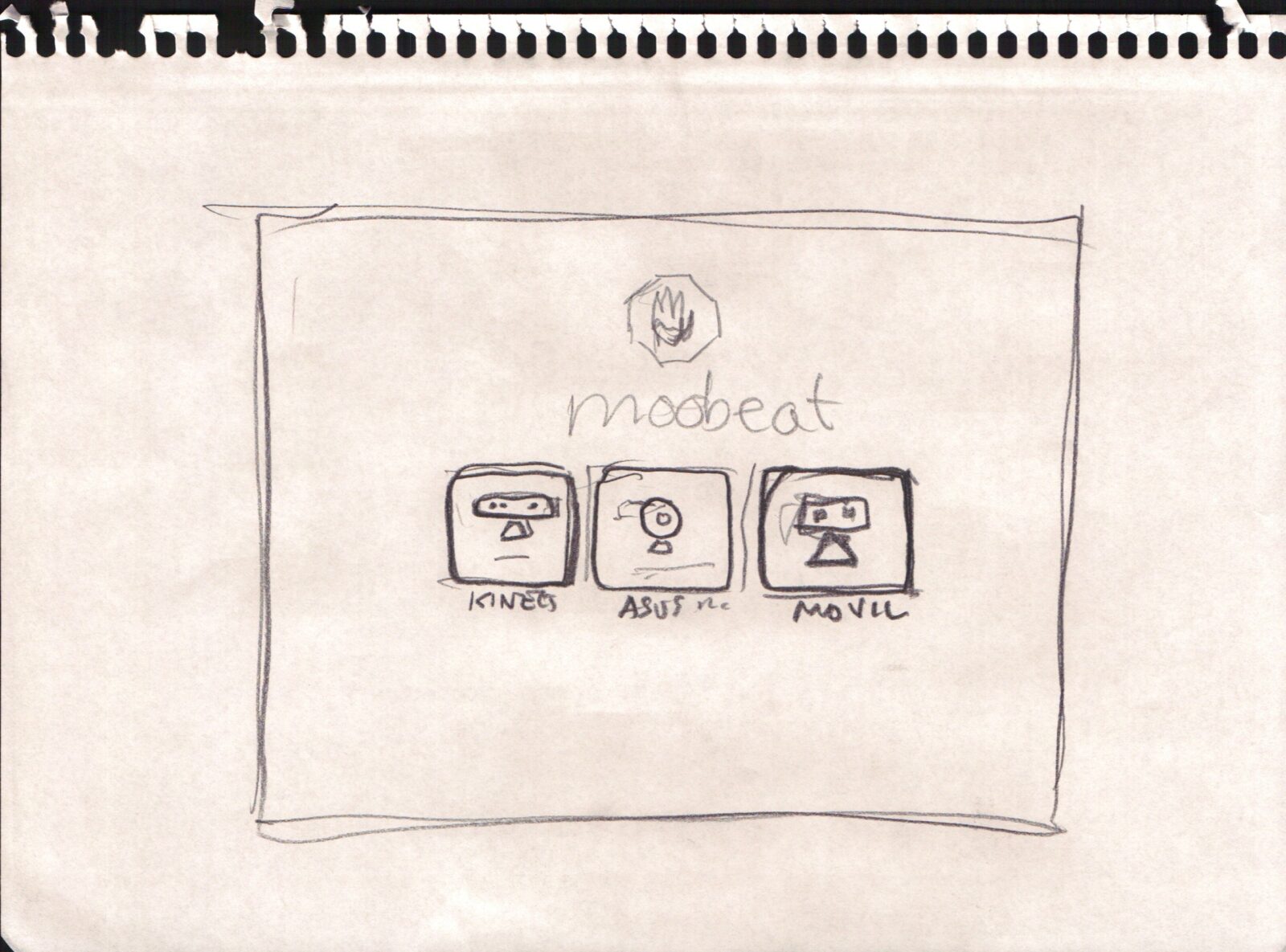
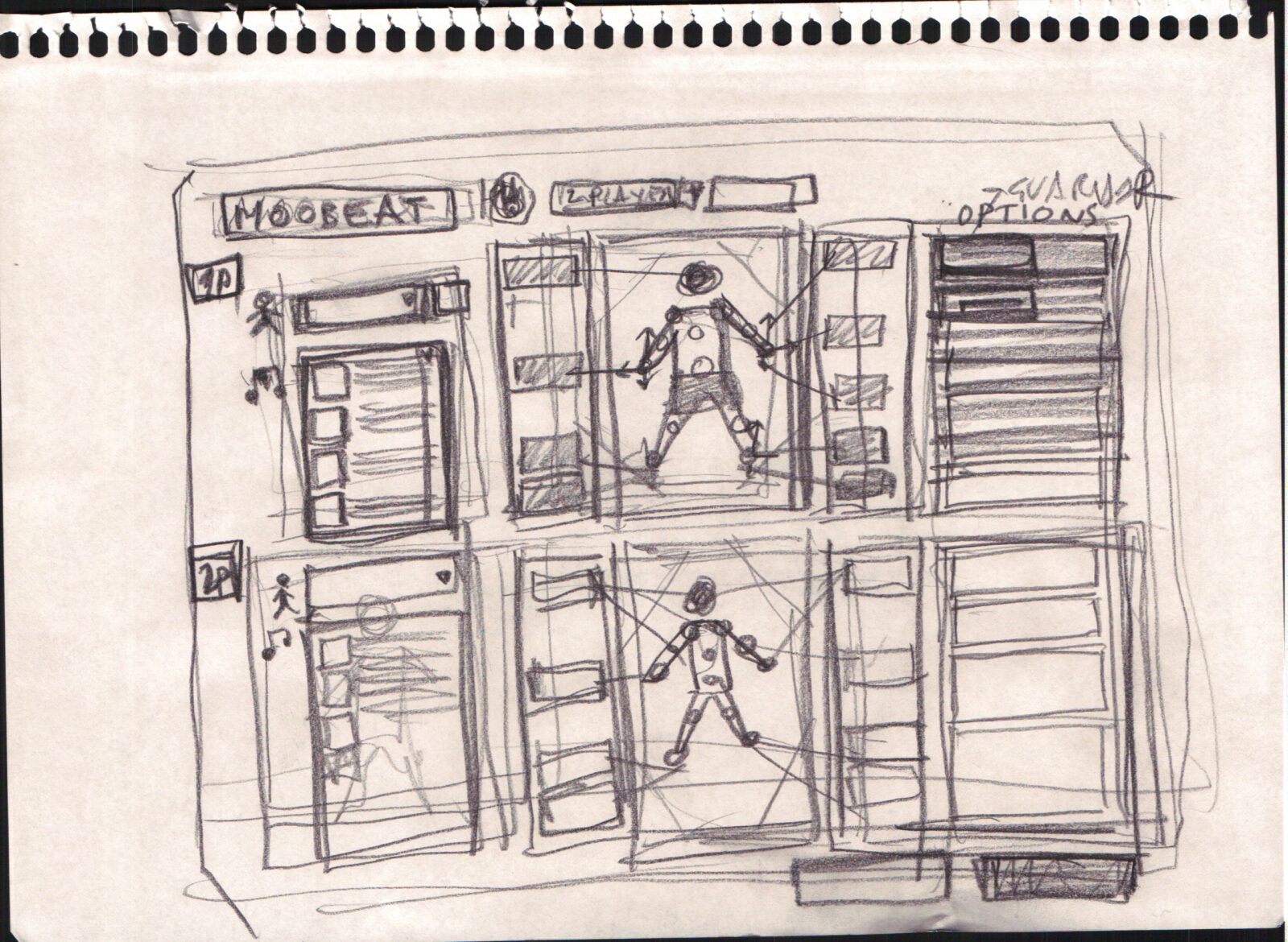
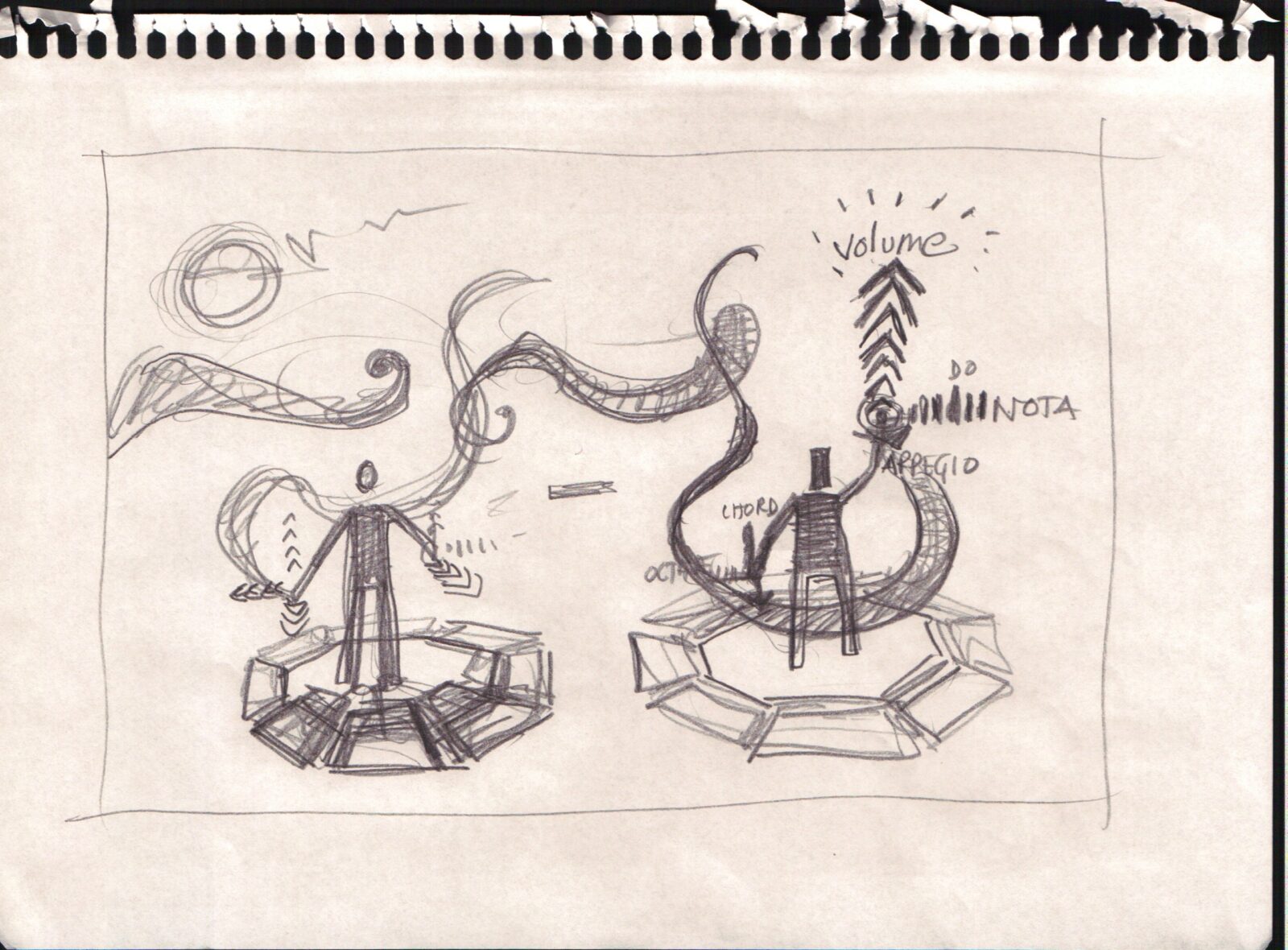
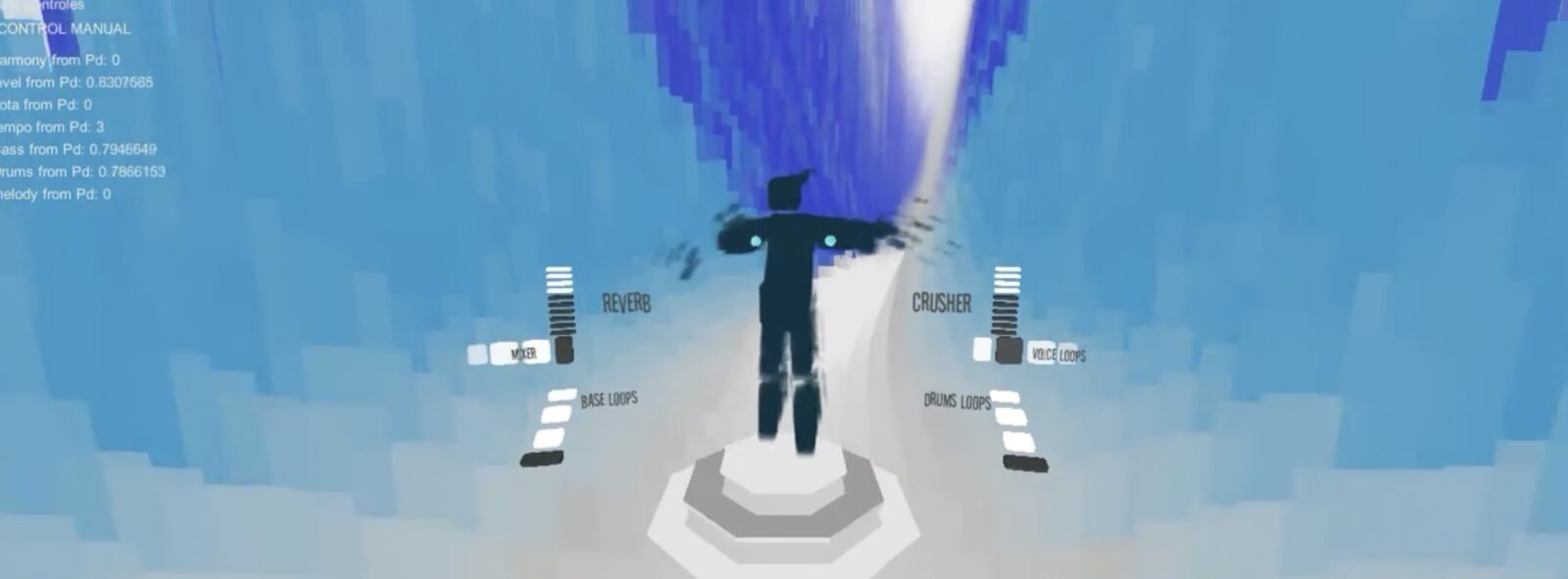
2014 – Moobeat – Music in Movement
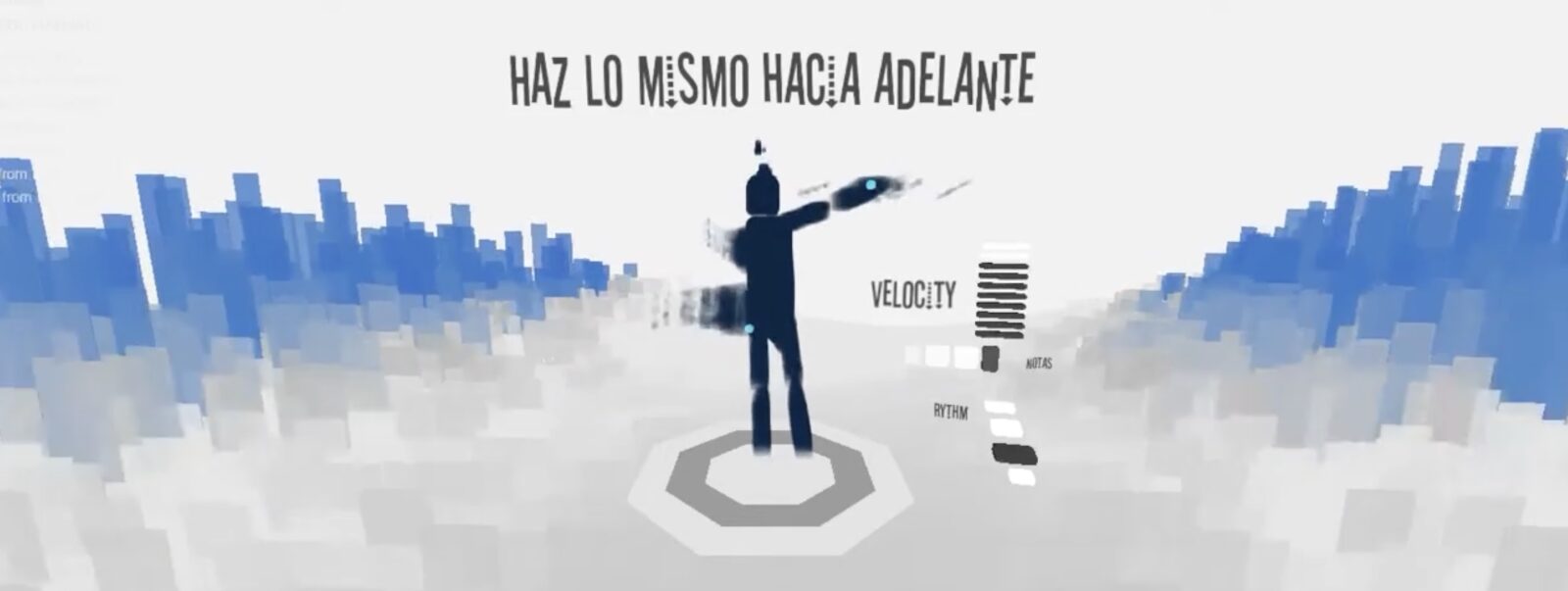
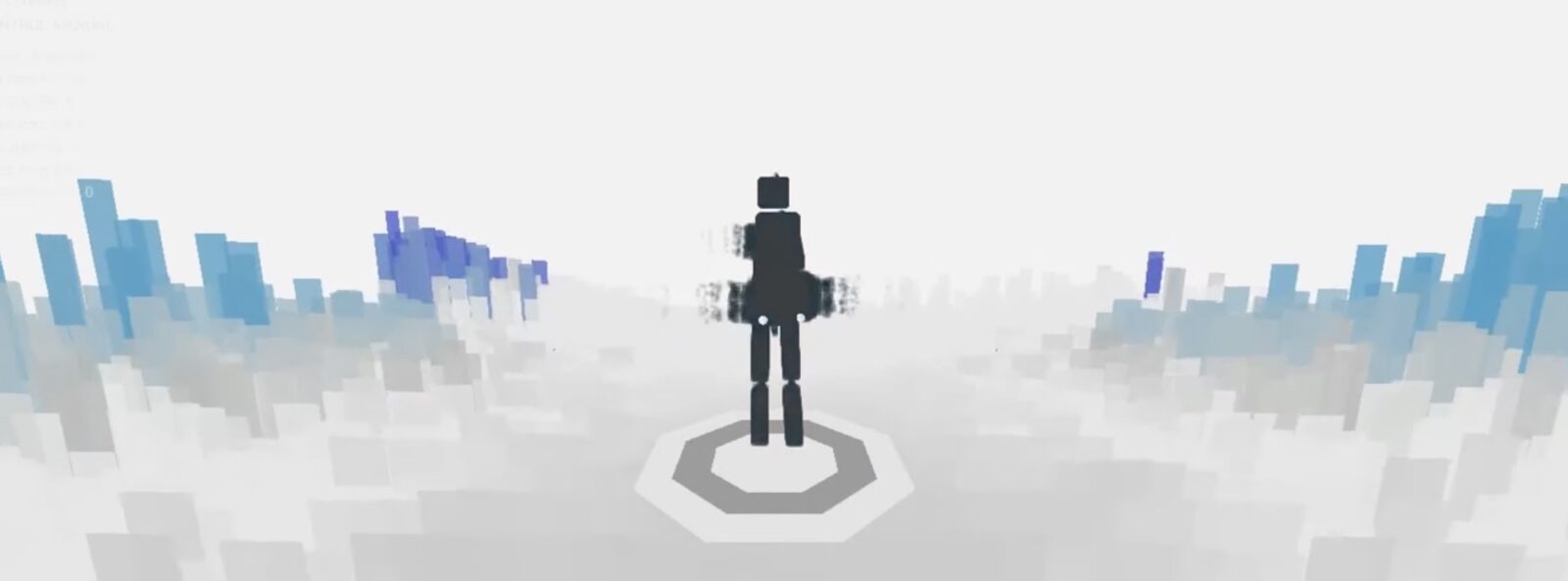
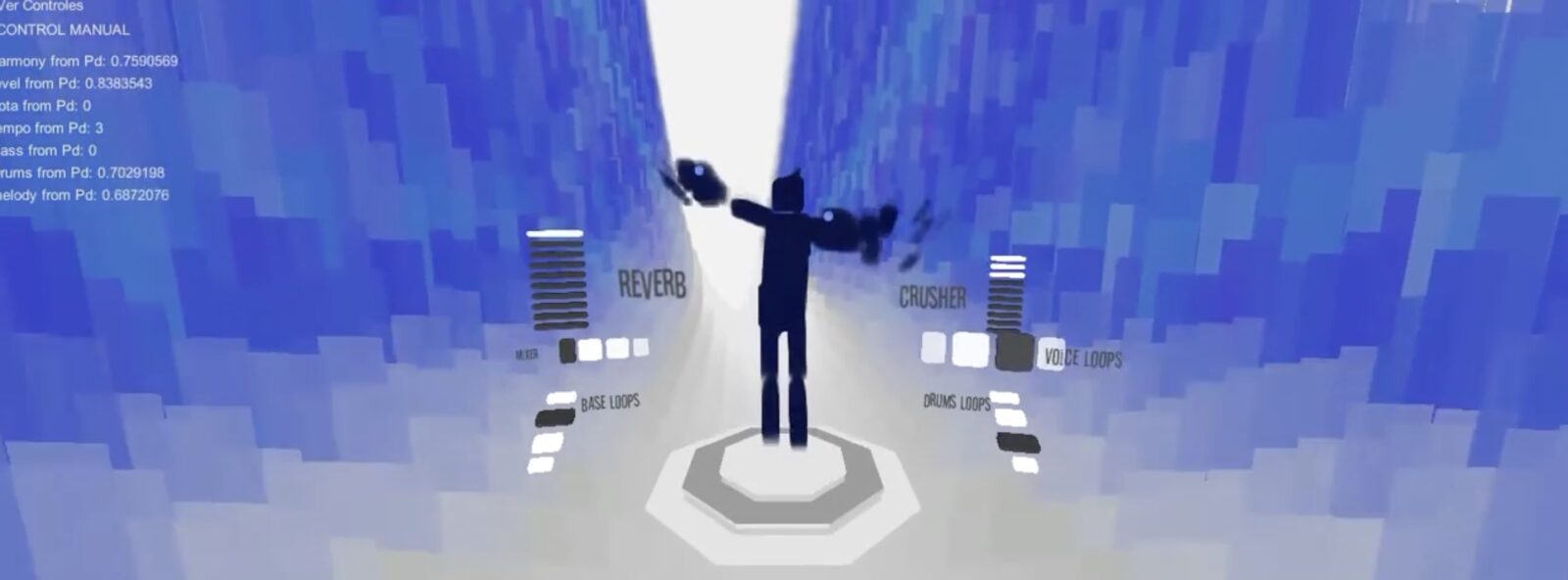
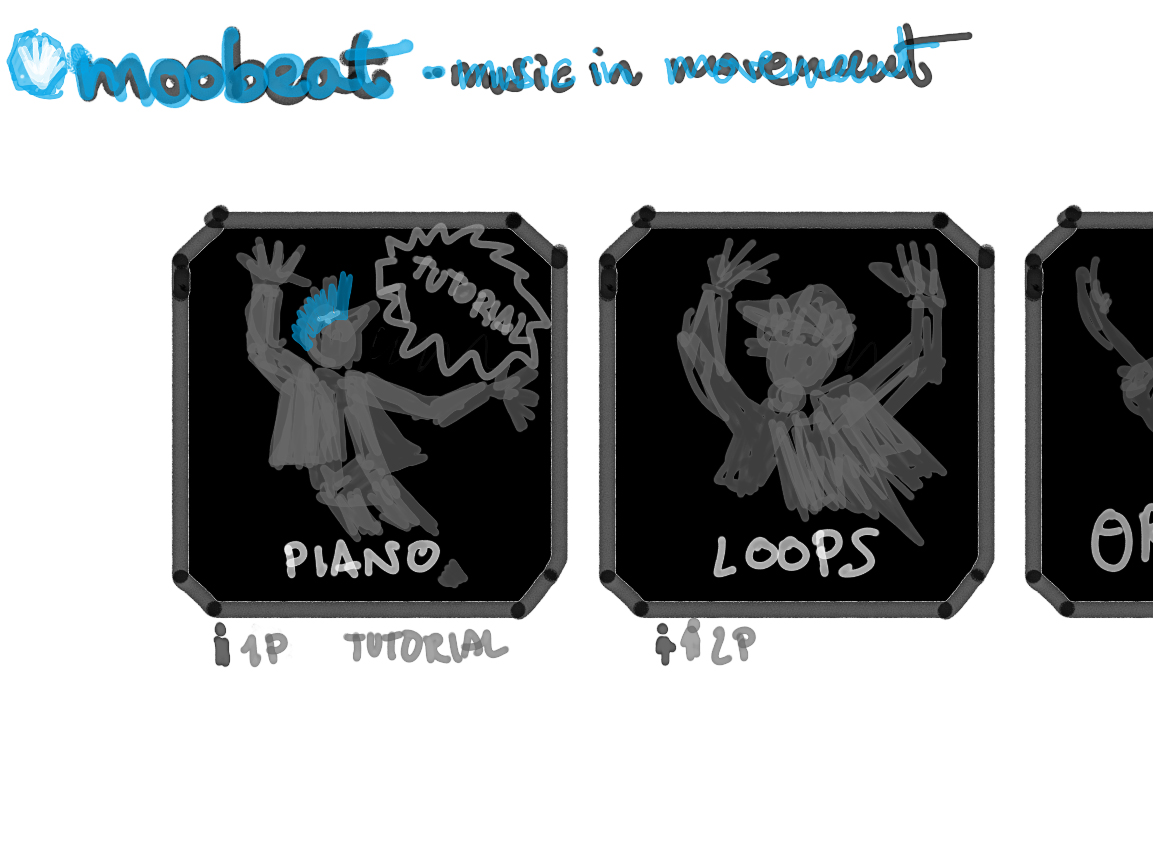
Motion capture software for playing music with your bare hands and body. The work ranged from conceptual development to brand design, software architecture and programming. The project combined motion capture with a Unity interface that communicated with the Pure Data audio software. Developed together with Jon Corcuera, Claudio Nervi and Daniel Grau. Awarded at the Sónar+D festival in 2014.
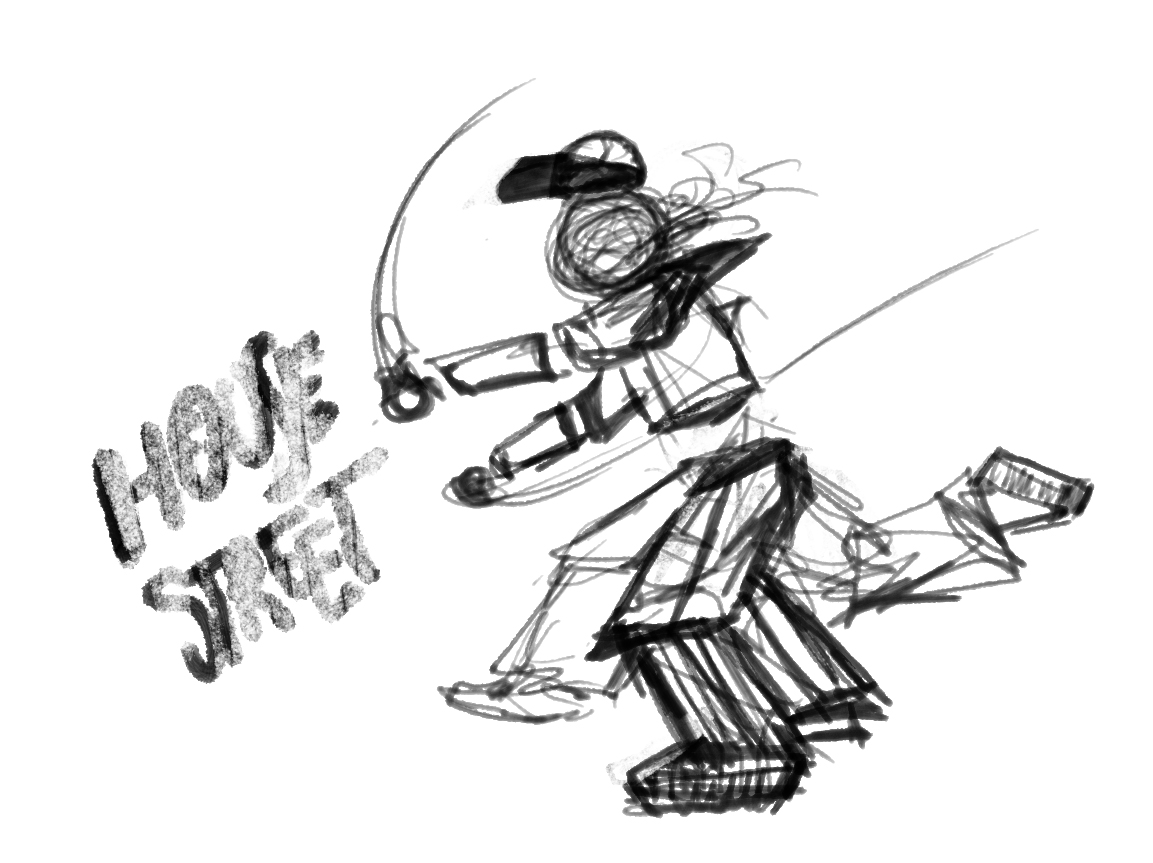
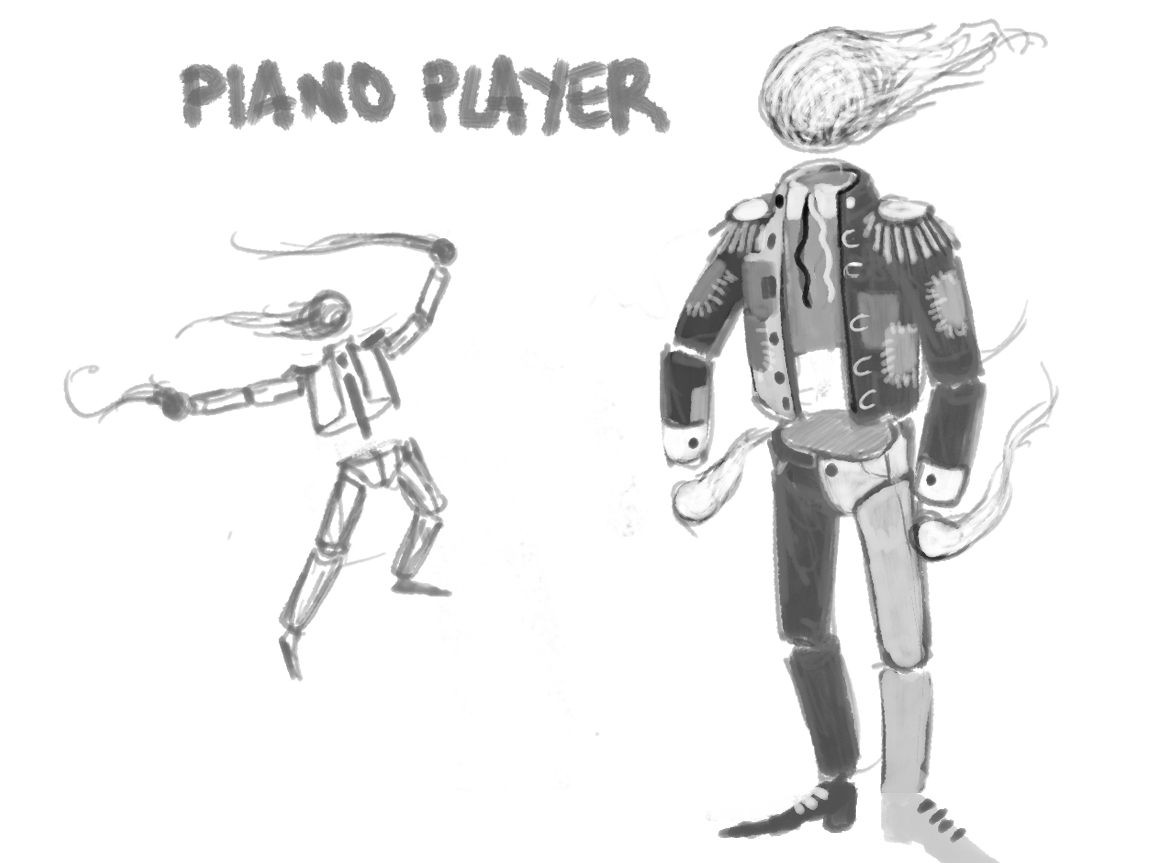
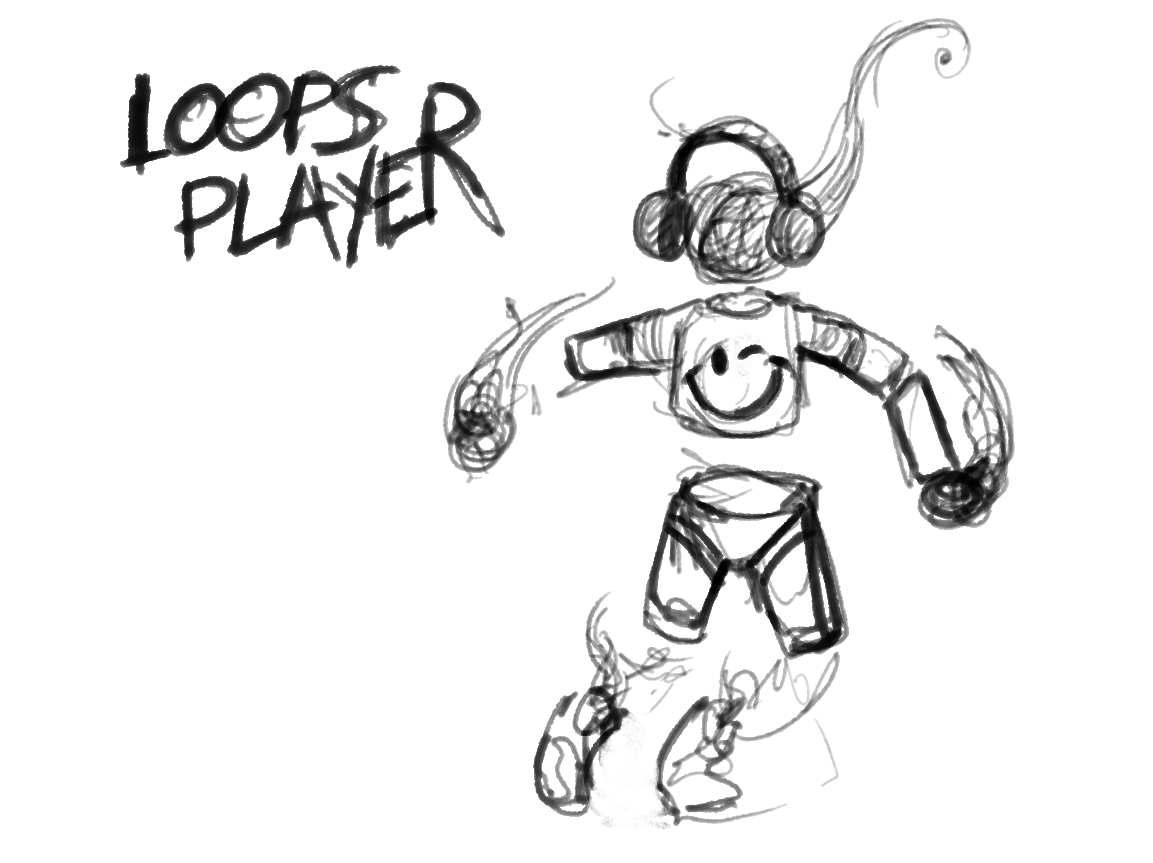
Character design exploration for the Moobeat Videogame
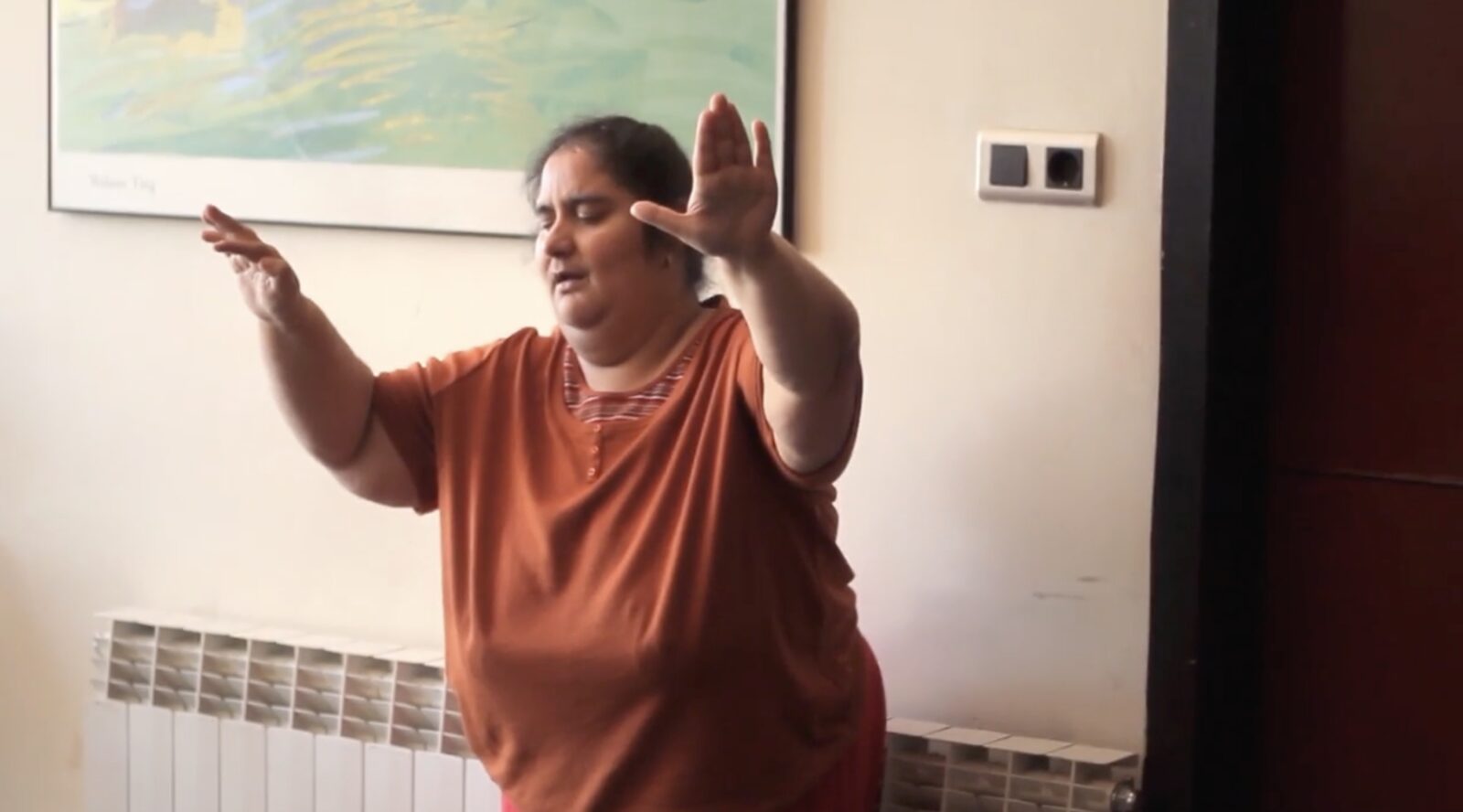
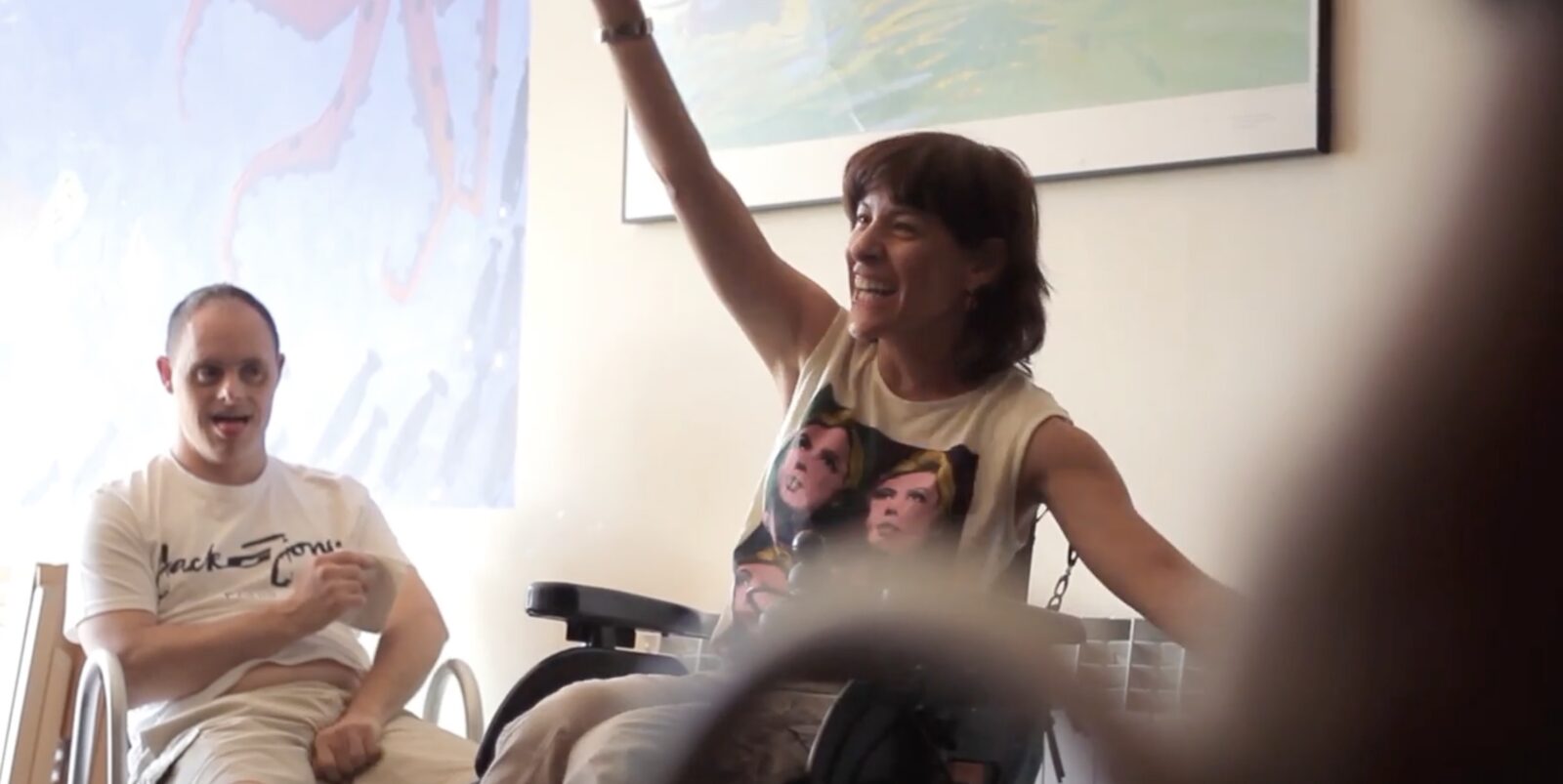
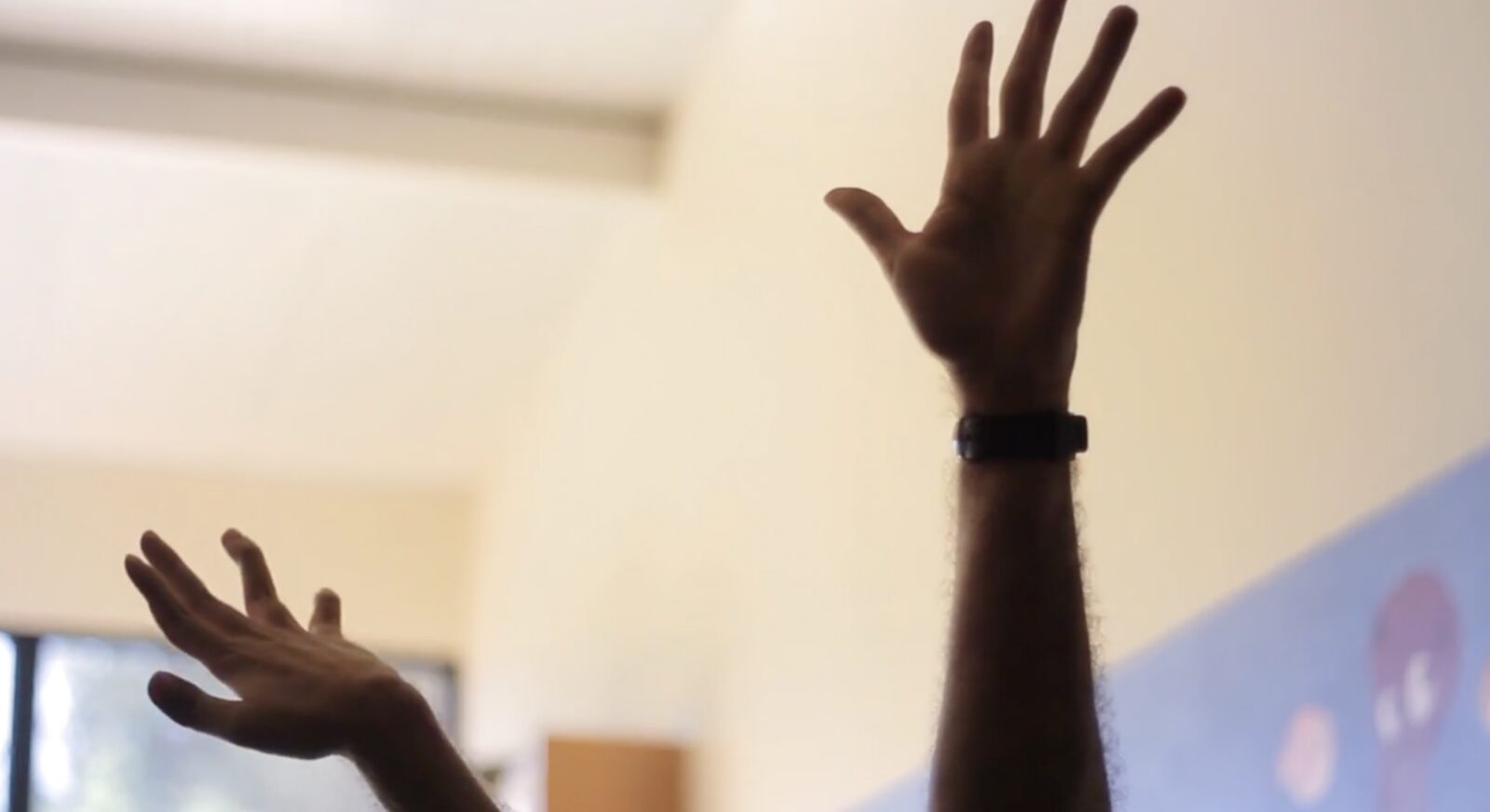
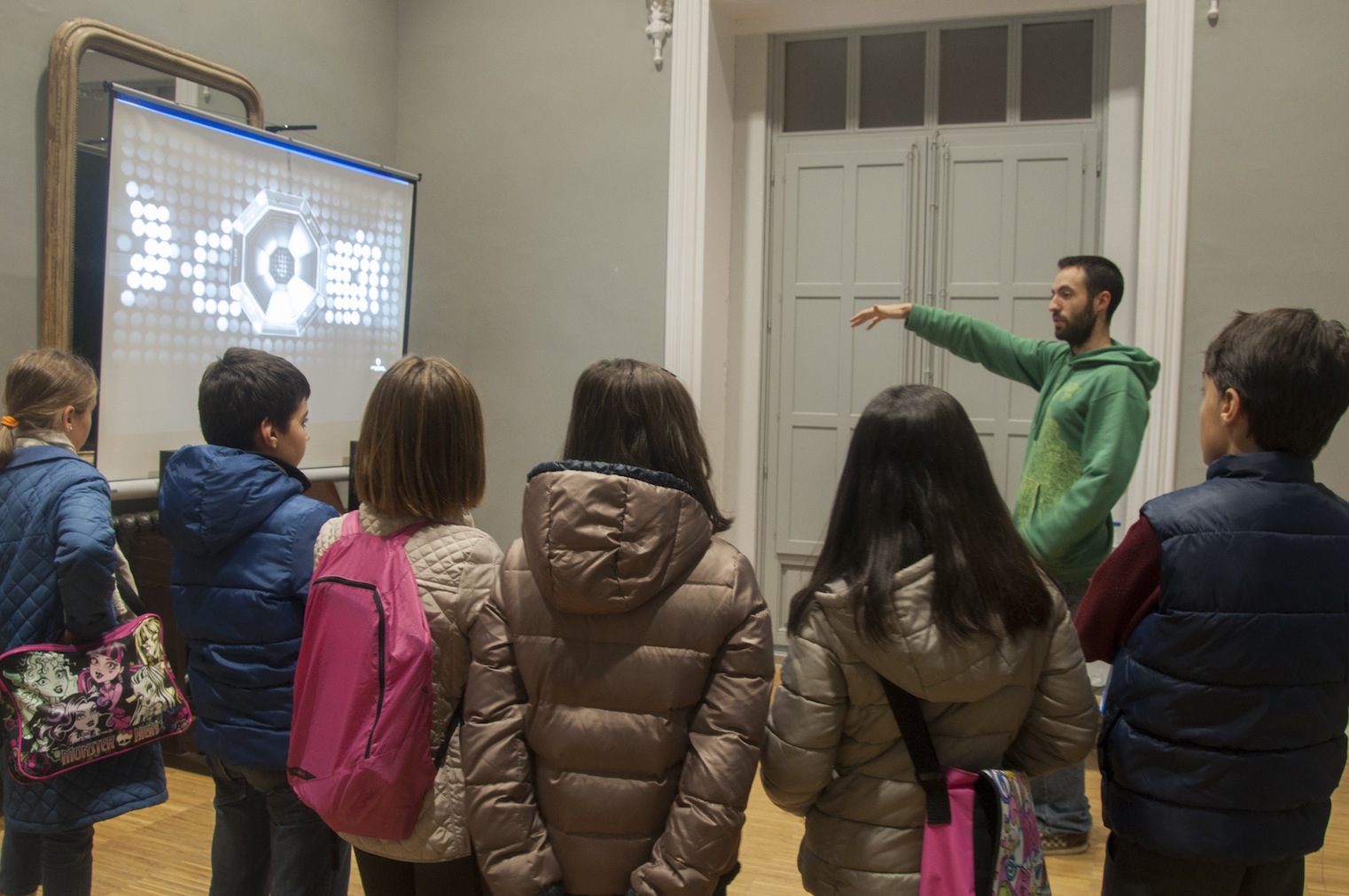
From 2012 to 2015, the project ran a series of music therapy activities in which children, older adults and people with physical and intellectual disabilities could play music without instruments or any musical training.
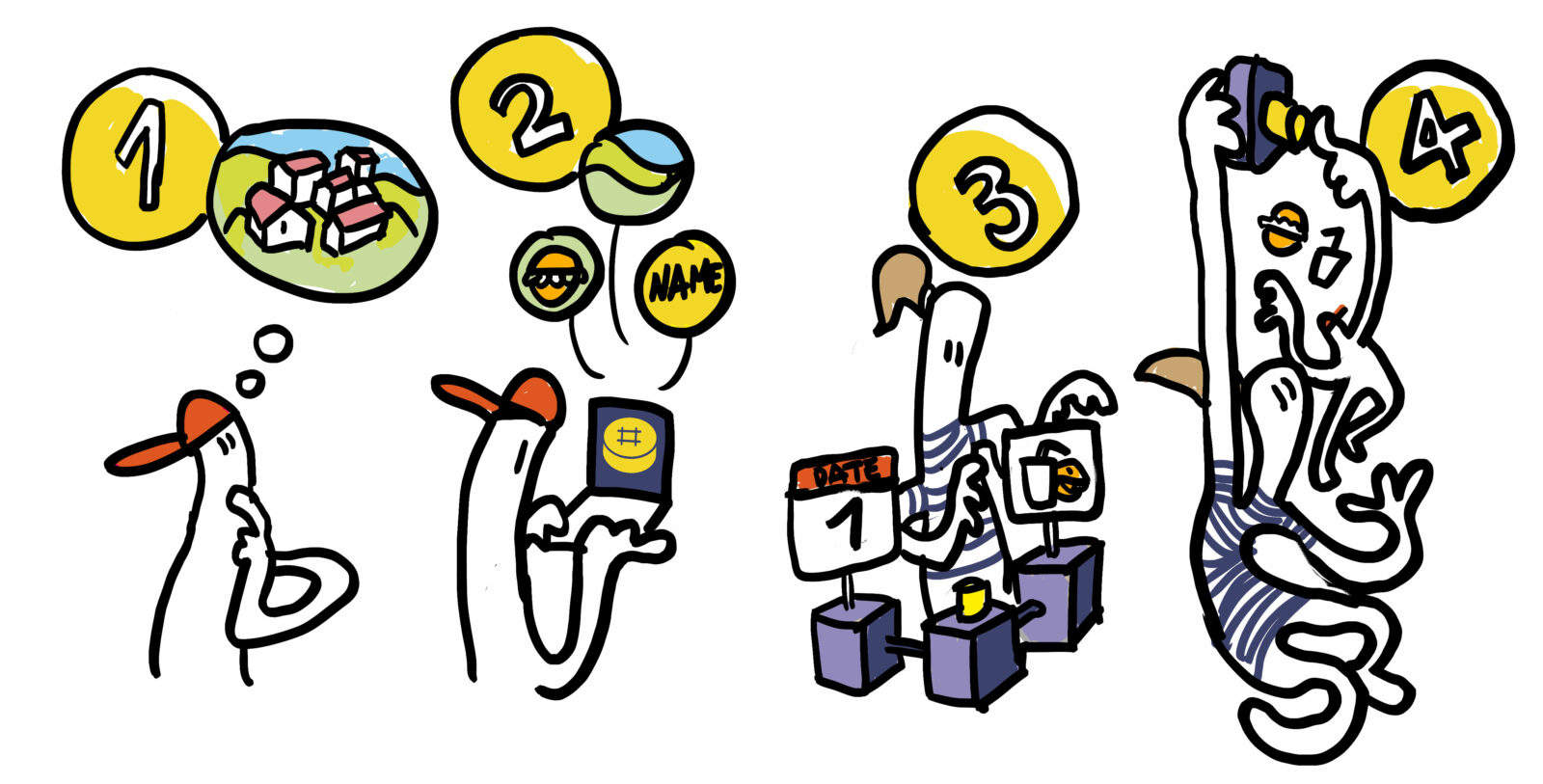
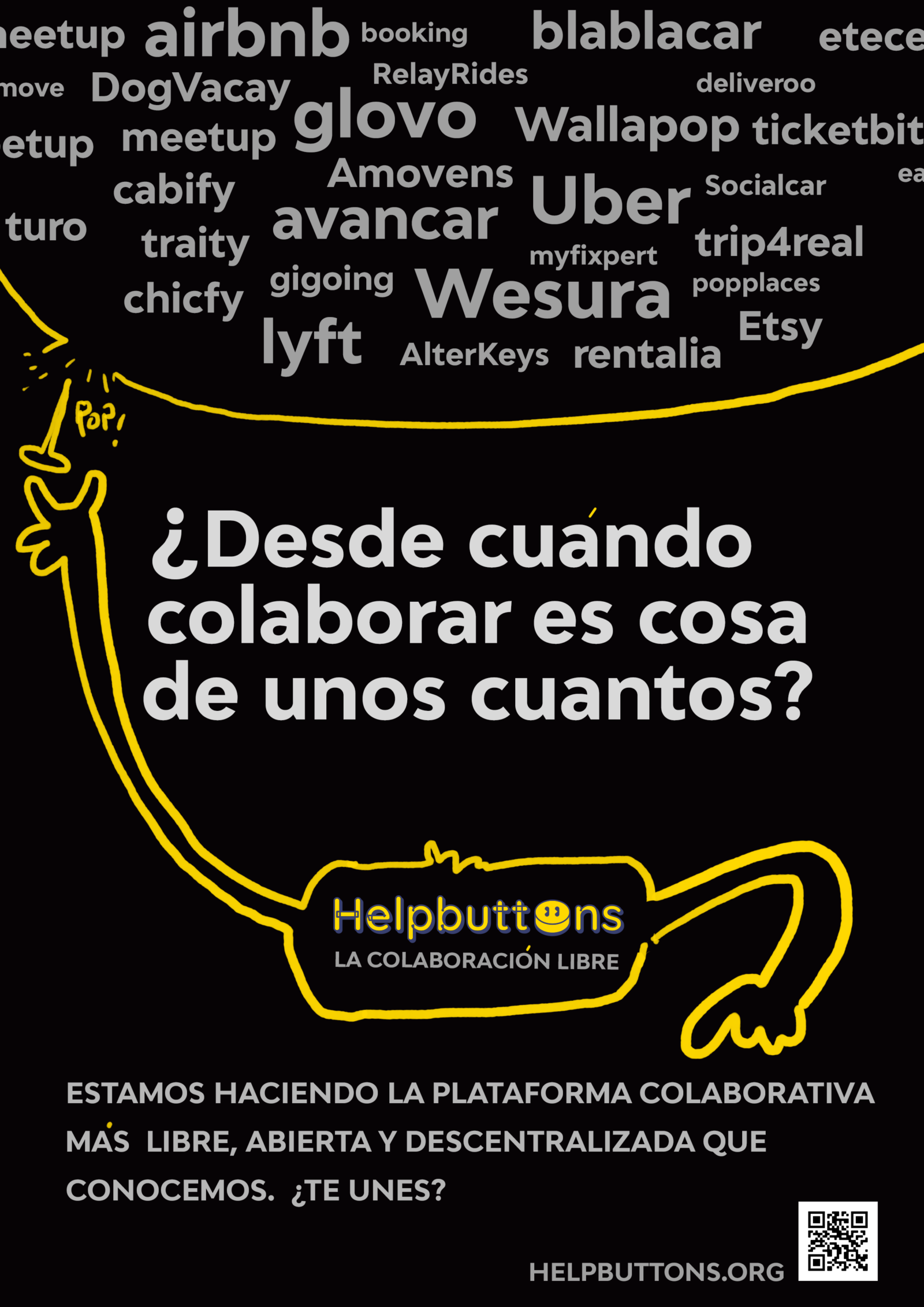
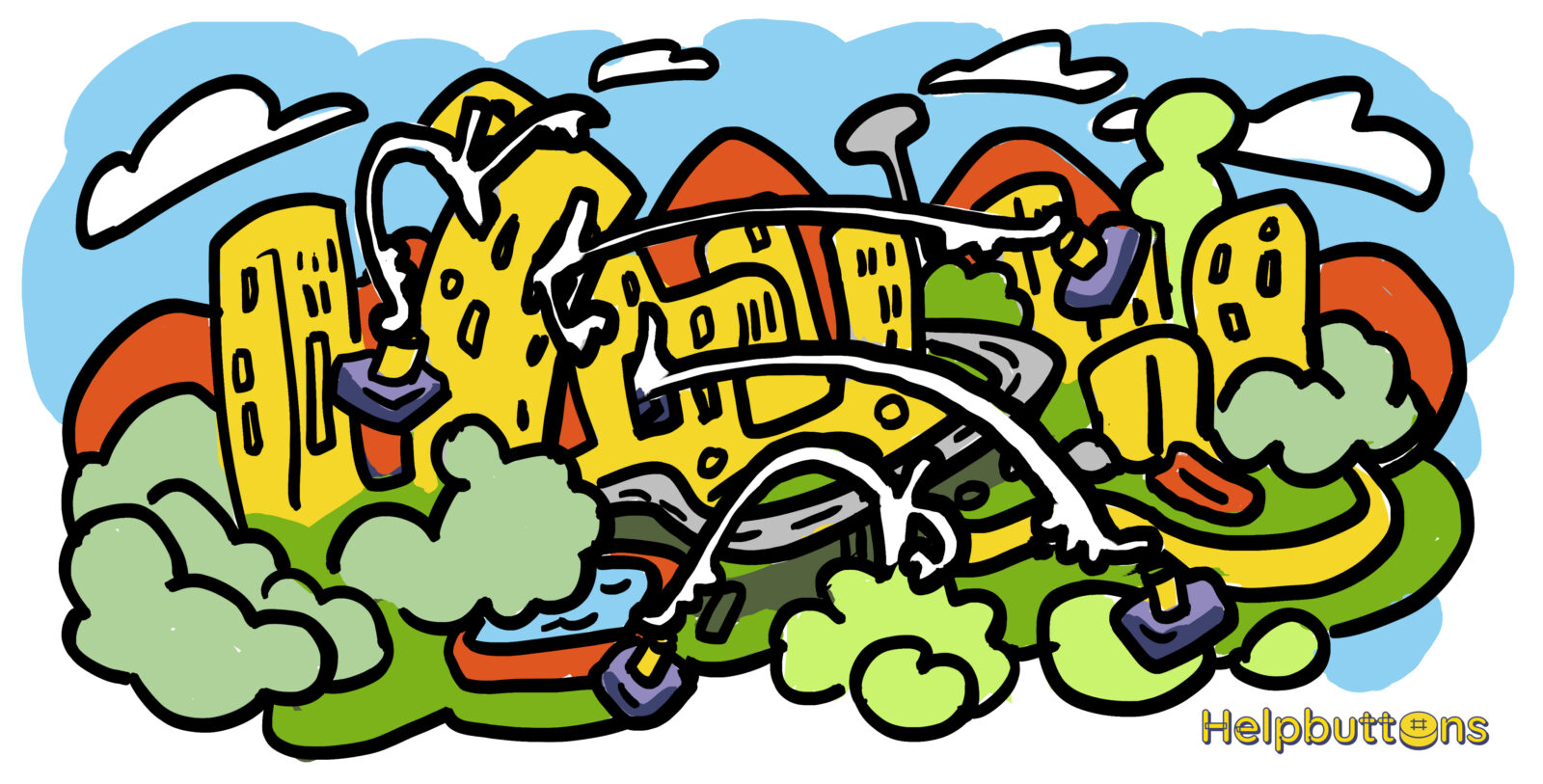
Helpbuttons – An opensource tool to get organized, share, and collaborate
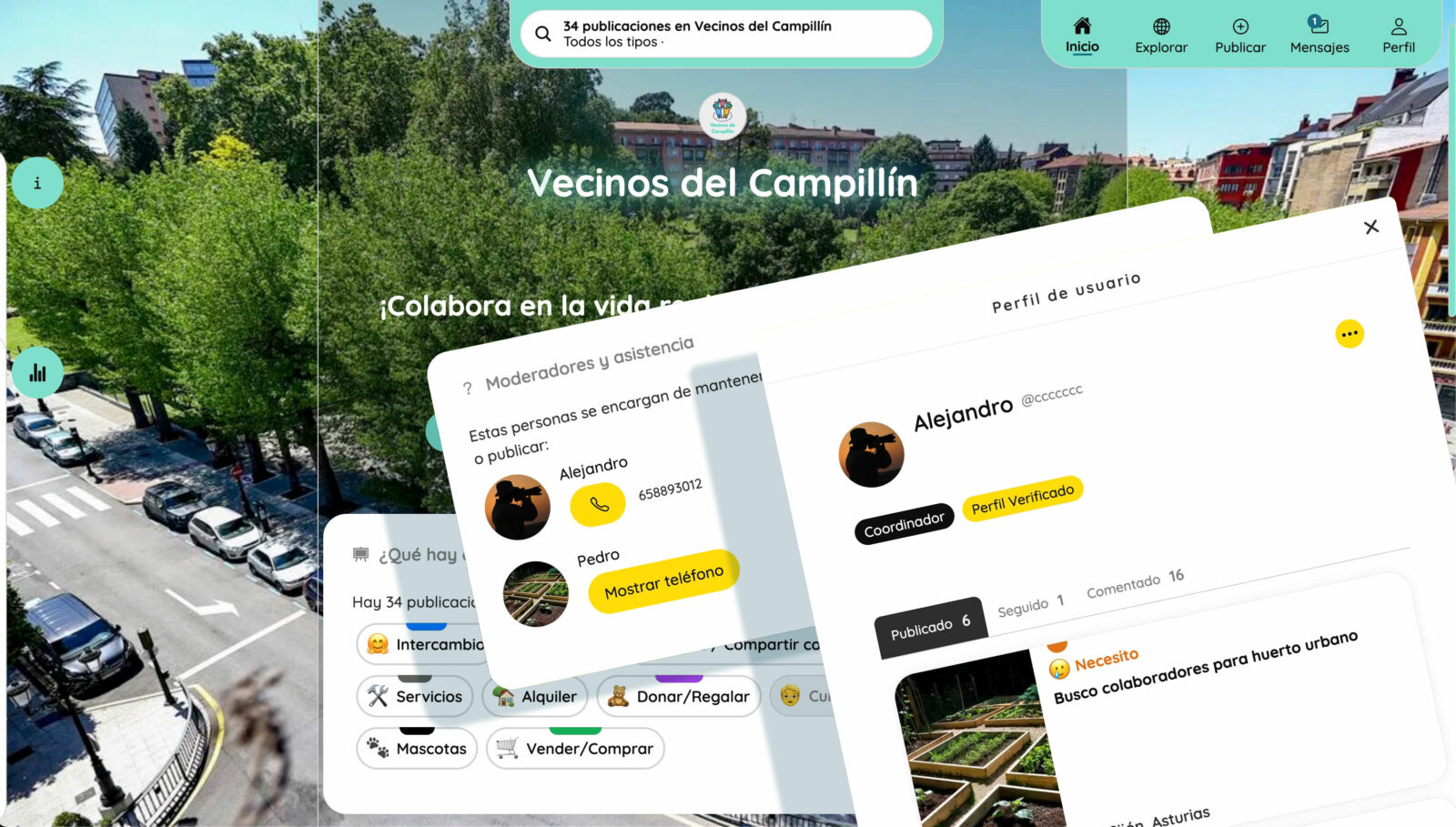
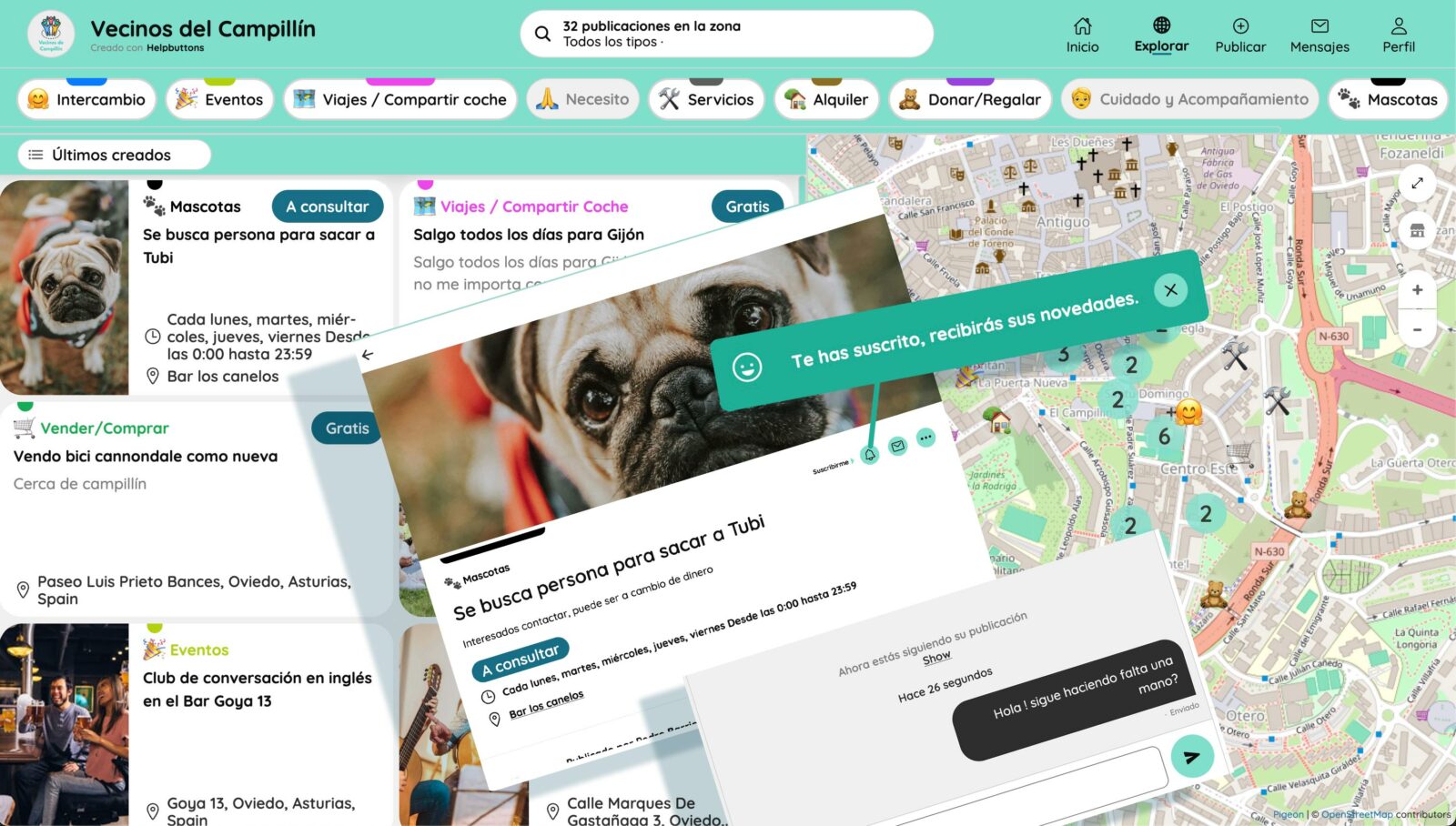
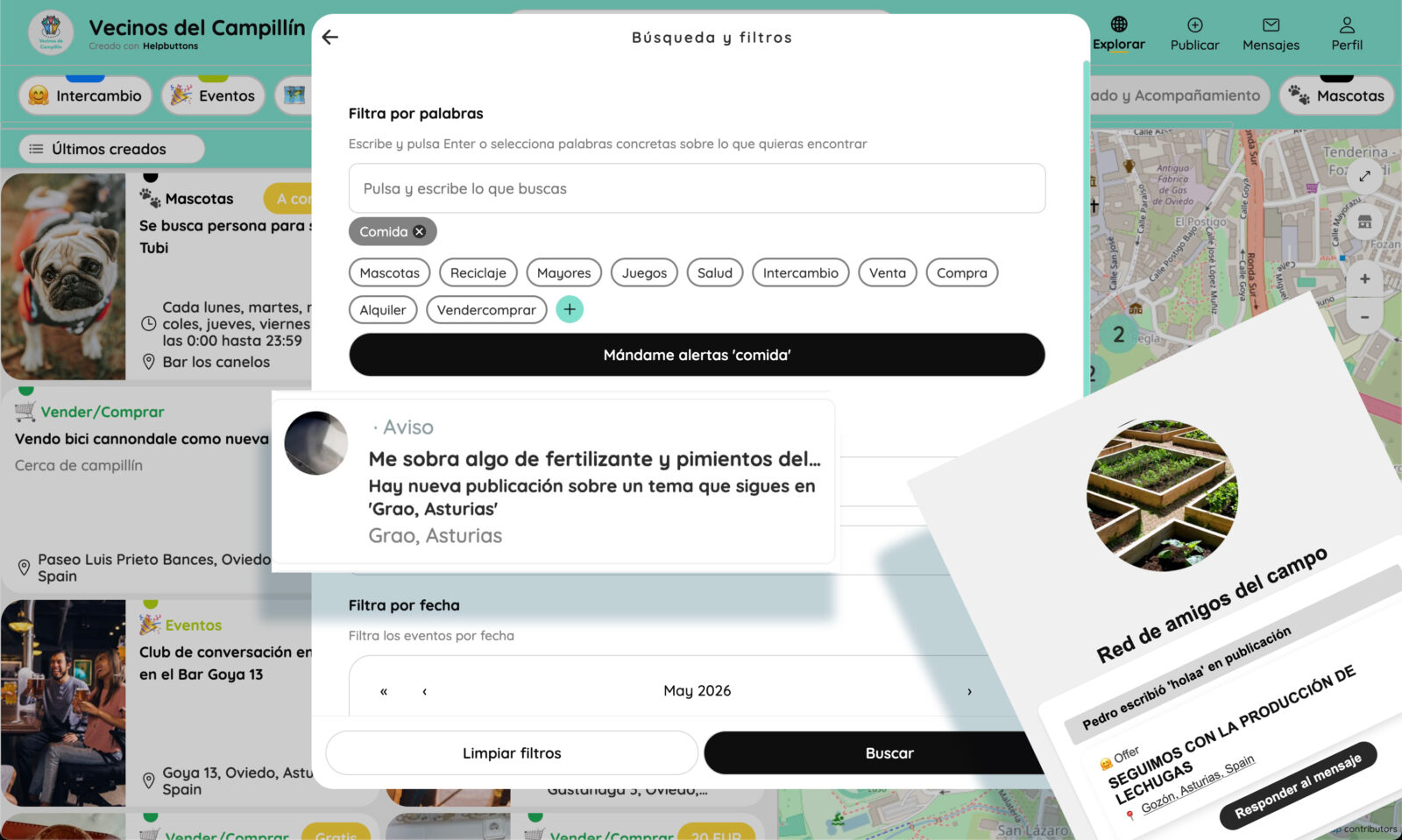
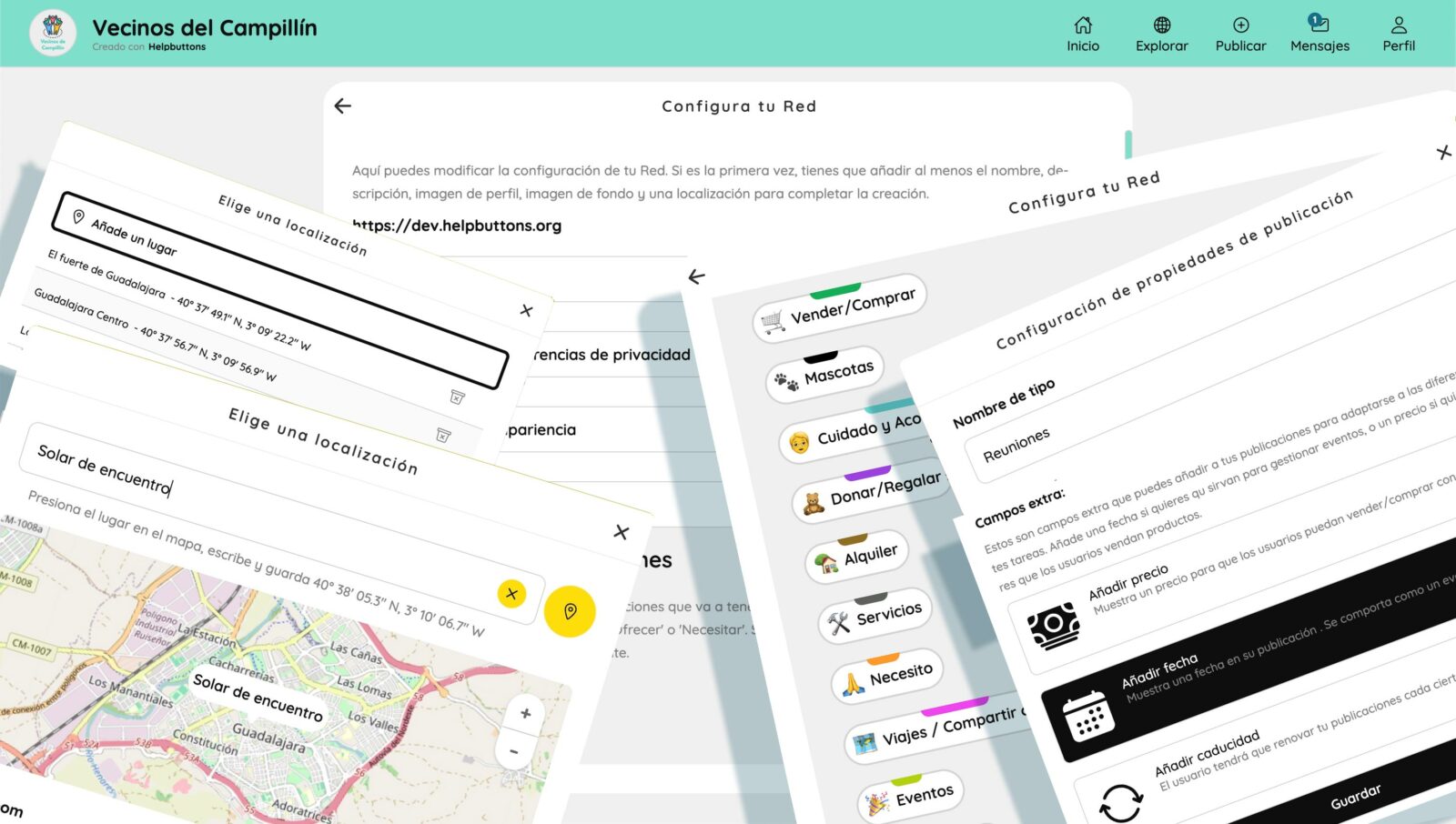
Full ideation, design and development of the Helpbuttons software, featuring geolocation, relational search, alerts and messaging.
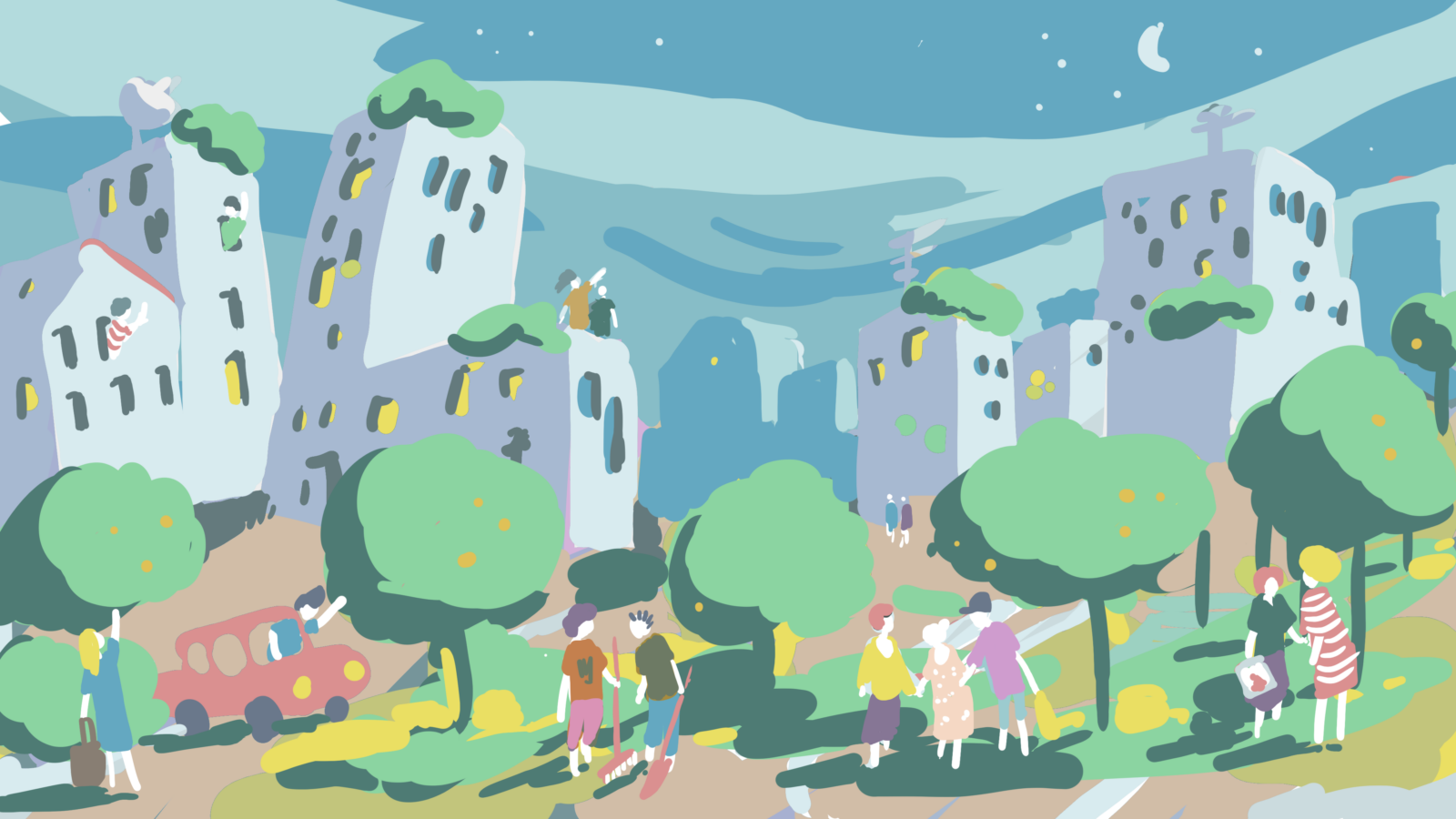
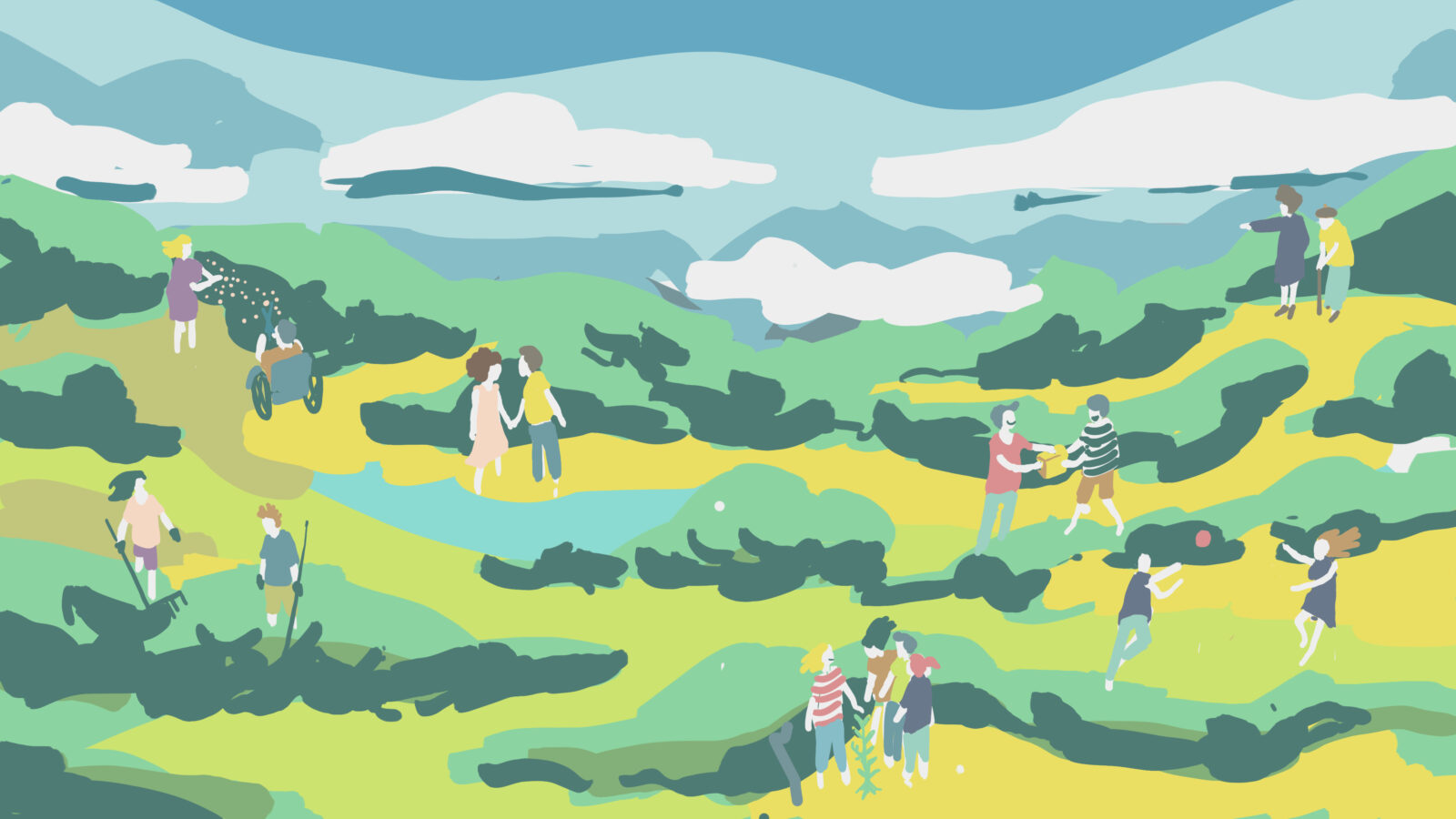
Have you ever wanted to bring your community together, organize activities, or simply better coordinate what’s already happening around you? That’s exactly what a collaborative network enables.
A collaborative or community network is a digital space where a group of people—neighbors, students, cultural or rural collectives—can communicate, organize, and support each other to take real-life action. From coordinating care to sharing tools, carpooling, organizing a local fair or activating emergency help, a collaborative network turns the will to act together into concrete, collective action.
Check out the software at https://helpbuttons.org
The design strategy involved several challenging requirements: inclusive design, a fully customizable look and content categories, geolocation, direct messaging, federation, and a versatile alert system.